
Restaurant Decoration Ideas in Bangladesh are no longer just about filling a space with furniture; they are about creating an atmosphere where, let’s be honest, we don’t just go out to eat—we go out to be. Whether it’s a quick fuchka stop in Bailey Road or a fine-dining anniversary dinner in Gulshan, the food is only half the story. The other half? It’s the vibe.
It’s the lighting that makes us look good in selfies. It’s the chair that’s comfortable enough for a two-hour adda. It’s the feeling that, for a little while, we aren’t just in a crowded city—we’ve escaped to somewhere special. If you are reading this, you probably have a vision. Maybe you have a killer recipe for kacchi that needs a home, or perhaps you want to open the next viral coffee spot in Dhanmondi. But staring at four empty walls is daunting. How do you stand out in a market that is exploding with creativity?
Many owners struggle to find unique restaurant decoration ideas in Bangladesh that balance traditional aesthetics with modern needs.
This guide isn’t just a list of pretty things. It is a deep dive into the psychology, strategy, and “Bengali soul” of restaurant decoration in 2026. We will cover everything from low-budget hacks to high-end aesthetic trends, backed by real market insights.
1. Traditional Restaurant Decoration Ideas in Bangladesh: The “Deshi” Renaissance
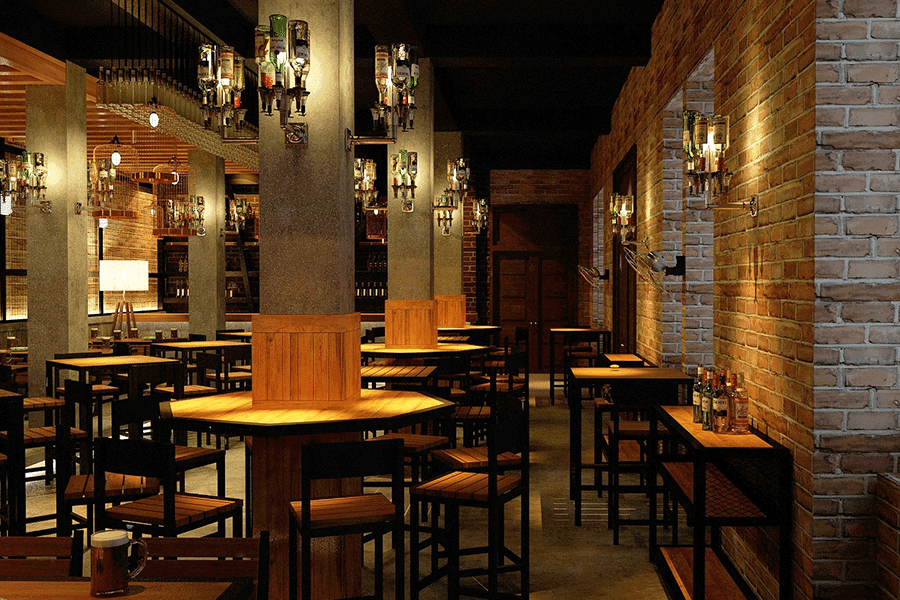
For a long time, “upscale” in Dhaka meant copying Western designs—sleek glass, cold steel, and sterile white walls. But the script has flipped. The most successful restaurants in Bangladesh today are those that embrace our roots, but with a twist. Using exposed red brick is one of the most timeless restaurant decoration ideas in Bangladesh because it connects instantly with the local culture.
The Return of Red Brick (Terracotta)
There is something undeniably comforting about exposed red brick. It screams “Dhaka.” It reminds us of the Curzon Hall or the old structures of Puran Dhaka.
The Idea: Don’t plaster your walls. Leave the brick exposed. If your building is new, use terracotta cladding tiles.
Why it works: It adds warmth and texture immediately. It hides stains better than white paint (a practical win) and provides excellent sound insulation.
Modern Twist: Instead of a full rustic look, pair red brick walls with sleek, black metal furniture. The contrast between the rough, traditional earth and the smooth, modern industrial metal is striking.
Jute and Bamboo: Beyond the Village
Jute and bamboo were once seen as “village materials.” Now, they are luxury statements.
Lighting: Giant, woven bamboo pendant lights are a massive trend. They cast intricate shadows that turn a plain ceiling into art.
Partitions: instead of glass or drywall, use “Sheetal Pati” or woven cane screens to separate tables. It offers privacy without blocking airflow—crucial in our humid climate.
Sourcing: You can source these custom pieces from local artisans in artisan hubs near Dhaka or craft villages, supporting the local economy while getting a unique decor element.
Rickshaw Art 2.0
We aren’t talking about just hanging a painted tin plate on the wall. We are talking about integration. If you want vibrant and energetic restaurant decoration ideas in Bangladesh, incorporating rickshaw motifs is a brilliant way to add local flavor.
Idea: Hire a local rickshaw artist to paint a mural directly onto your AC ducts or the ceiling. Use the vibrant neons—pinks, greens, and oranges—as accent colors for your cushions against a neutral grey background.
The Effect: It’s nostalgic but electric. It resonates deeply with the younger crowd who view rickshaw art as pop culture.
2. The Biophilic Boom: Bringing the “Green” Inside
Dhaka is a concrete jungle. Your restaurant should be the oasis. Biophilic design (design that connects people with nature) isn’t just a trend; it’s a necessity for mental well-being.
Vertical Gardens on a Budget
Real estate in Banani or Chittagong is expensive. You can’t waste floor space on giant pots. Since space is limited in Dhaka, vertical gardens are fast becoming one of the most practical restaurant decoration ideas in Bangladesh.
The Solution: Go vertical. Install a metal grid on one wall and hang small pots of Money Plants or Pothos. They are unkillable, grow fast in low light, and purify the air.
Maintenance Tip: If you can’t manage real plants, high-quality artificial vertical garden mats have become very realistic. Mix them: use fake lush backgrounds with a few real potted plants in the foreground to trick the eye.
The “Indoor Courtyard” Illusion
Traditional Bengali homes had “Uthans” (courtyards). Restaurants are recreating this vibe.
The Setup: Use a skylight or bright, daylight-temperature LEDs in the center of the room. Place a large feature tree (like a Ficus) in the middle, surrounded by bench seating.
The Vibe: It feels like sitting outside in a garden, even if you are on the 4th floor of a commercial building.
3. Lighting: The Make-or-Break Factor
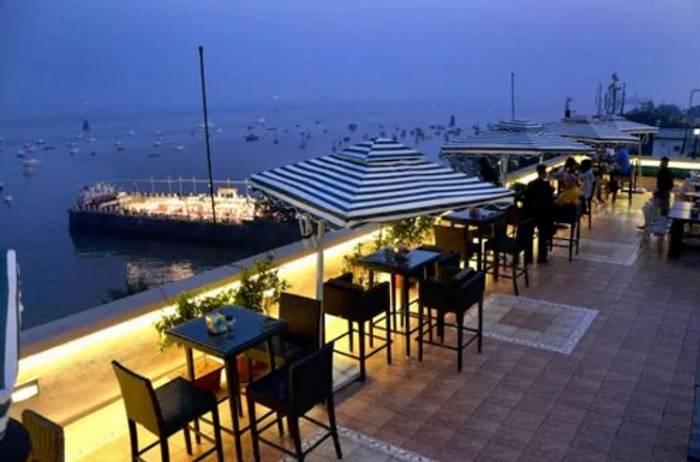
If you learn only one thing from this post, let it be this: Lighting is 70% of the decor. You can have expensive Italian marble floors, but if you use cold, hospital-white tube lights, your restaurant will feel like a cafeteria. Without the right lighting, even the most expensive restaurant decoration ideas in Bangladesh will fail to create the right mood.
The Temperature Rule
Always, always go for Warm White (2700K – 3000K) bulbs.
Why: Warm light makes food look appetizing (reds and yellows pop). It makes skin tones look better (hello, Instagram). It relaxes the brain.
Avoid: Cool White (6000K) or “Daylight” bulbs in the dining area. They make food look grey and unappealing.
Layering Your Light
Don’t just stick lights on the ceiling. You need three layers:
Ambient: The general glow (e.g., hidden cove lighting in the false ceiling).
Task: The light that hits the table so people can see their food (e.g., a low-hanging pendant light over the center of the table).
Accent: The drama (e.g., a spotlight hitting a painting, a textured wall, or a plant).
The Neon Sign Craze
A custom neon sign with a witty Bengali phrase (e.g., “Khida Lagse?” or “Cha e Jibon”) is the ultimate “Instagram trap.”
Placement: Put it on a dark or leafy wall.
Result: Free marketing. Every time a customer takes a photo with that sign and tags your location, you reach hundreds of new people.
4. Small Space Solutions for Dhaka Real Estate
Let’s be real—rents are high. You might have a 500 sq ft shop and need to fit 30 people. How do you do it without it feeling like a bus ride?
Mirrors are Magic
Cover one entire wall with mirror panels. Mirrors are a staple in restaurant decoration ideas in Bangladesh for compact cafes in areas like Dhanmondi or Banani.
The Trick: It instantly doubles the visual space. If you place it opposite a window, it reflects natural light, making the room feel airy.
Design Tip: Don’t use a plain gym mirror. Use an antique finish or grid-style mirrors (like a French window) to add class.
Furniture with Legs
Avoid boxy sofas that sit directly on the floor.
The Rule: Choose chairs and sofas with thin, exposed legs. Being able to see the floor underneath the furniture tricks the brain into thinking the room is larger than it is.
The “Community Table”
Instead of cramming in ten tiny tables, put one massive, long wooden table in the center.
The Vibe: It encourages sharing and socializing. It’s perfect for the laptop crowd in cafes.
Efficiency: You can fit more people on a bench than on individual chairs.
5. Budget-Friendly Restaurant Decoration Ideas in Bangladesh
A common search query we see is “Restaurant interior design price in Bangladesh.” The truth? It varies wildly. As one of the contenders for the best interior design company in Bangladesh, we have seen that budget often dictates style.
Low End: 1,500 – 2,200 BDT per sq ft.
Mid Range: 2,500 – 4,000 BDT per sq ft.
Luxury: 5,000+ BDT per sq ft.
If you are bootstrapping, here is how to hack the system:
The “Industrial” Loophole
False ceilings are expensive. They require framing, board, plaster, and paint.
The Hack: Don’t do it. Leave the concrete ceiling exposed. Paint the AC ducts, pipes, and electrical conduits black or dark grey.
The Look: It’s “Industrial Chic.” It saves you money and actually increases the ceiling height, making the room feel bigger.
Upcycled Furniture
Don’t buy everything new.
Source: Visit the second-hand furniture markets in Dhaka (like those in Panthapath or Mirpur). Buy old solid wood chairs.
Revamp: Sand them down and paint them in mismatched pastel colors, or re-upholster the seats with a bright Gamcha print. It adds character that mass-produced Chinese furniture lacks.
Digital Art vs. Expensive Paintings
Original art is pricey.
The Hack: Buy high-resolution digital art licenses from sites like Etsy or Shutterstock. Print them on high-quality canvas at a local press in Nilkhet or Fakirapool. Frame them nicely. You get the gallery look for a fraction of the price.
6. Case Study: The “Eco-Fusion” Model
Let’s look at a composite example of a successful design style seen in places like Chef’s Kitchen or trendy spots in Uttara. You can see similar sustainable approaches in our recent completed projects. This eco-fusion model proves that the best restaurant decoration ideas in Bangladesh are those that respect the environment.
The Concept: A fusion of sustainability and culture. The Materials:
Flooring: Polished concrete (inexpensive, durable, cool to the touch).
Walls: One accent wall featuring a mural by a local art student; the rest are neutral beige.
Ceiling: Exposed, with hanging plants aimed to lower the visual height and create intimacy.
Furniture: Tables made from reclaimed boat wood (seasoned and sturdy), paired with cane chairs.
Lighting: Clay pottery (Matir hari) turned into pendant lamps.
Why this wins:
Storytelling: The waiter can tell customers, “These lights were made by artisans in Mymensingh.” It adds value.
Cost: Reclaimed wood and clay are cheaper than imported granite or crystal.
Sustainability: Young customers (Gen Z) care about the environment. This design signals that you do, too.
7. The Psychology of Color
Color isn’t just decoration; it’s mind control, we will know here how color affects appetite. When researching restaurant decoration ideas in Bangladesh, pay close attention to how color influences the appetite of Bengali diners.
Red and Yellow: Fast food giants use these for a reason. They stimulate appetite and urgency. Great for burger joints where you want high turnover.
Blue: Generally an appetite suppressant. Avoid painting your dining room blue unless you are a seafood restaurant or a coffee shop where the goal is relaxation, not eating a heavy meal.
Green: Freshness, health. Perfect for salad bars or organic cafes.
Brown/Wood/Earth: Comfort, security. The best choice for family restaurants where you want people to stay longer and order dessert.
Pro Tip for Bangladesh: We have a dusty climate. Avoid pure white upholstery or carpets. They will look dirty in a week. Go for greys, rusts, or patterned fabrics that hide wear and tear.
8. Expert Insights: Hiring a Designer vs. DIY
Should you hire an expert? If you need professional help with the layout, our team at Shoccho Architects specializes in commercial interior design. A professional designer can help you filter through thousands of restaurant decoration ideas in Bangladesh to find the one that fits your brand.
DIY is fine if:
Your space is under 800 sq ft.
You have a very clear aesthetic vision.
You are handy and have time to supervise contractors daily.
Hire a Pro if:
Kitchen Flow: This is where amateurs fail. You need an expert to design the “Service Triangle” (Kitchen -> Pass -> Table -> Dishwashing). If this flow is wrong, your service will be slow, food will get cold, and waiters will collide.
Acoustics: Ever been in a restaurant that was so loud you couldn’t hear your date? That’s bad design (too many hard surfaces). Designers know how to place acoustic panels or curtains to absorb sound.
Compliance: Fire safety regulations in Dhaka are stricter now. A professional knows how many exits you need and what materials are fire-retardant.
9. Future Restaurant Decoration Ideas in Bangladesh : 2026 Trends
If you are building today, you want to be relevant tomorrow.
“Phygital” Spaces: Tables with QR codes embedded in the design, or spots specifically lit for TikTok content creation.
Open Kitchens: Trust is a currency. People want to see their food being cooked. A glass-walled kitchen adds theatre and proves your hygiene is top-notch.
Pet-Friendly Zones: As pet ownership rises in Dhaka’s elite areas, having a designated outdoor zone for cats or dogs is a massive niche market opener.
Conclusion: It’s All About the “Gulp” Factor
When a customer walks into your restaurant, they make a subconscious decision in the first 3 seconds. It’s a “gulp” feeling. Do they relax and think, “Ah, this is nice”? Or do they tense up?
Your decoration is responsible for that feeling. Ultimately, the most successful restaurant decoration ideas in Bangladesh are the ones that make your customer feel right at home.
You don’t need the budget of a five-star hotel. You need intention. You need to understand your customer—are they a student wanting a cozy corner to study, or a family celebrating a birthday?
Use local materials. Celebrate the Bangladeshi identity. Be smart with your lighting. And remember, the most beautiful restaurant in the world is empty if it doesn’t have a soul. Give your space a story, and the customers will come.
Frequently Asked Questions (FAQs)
Q: What is the average cost of interior design for a restaurant in Bangladesh?
A: For a decent mid-range finish, budget between 2,500 to 3,500 BDT per square foot. This usually includes design fees, furniture, simple false ceilings, and lighting. Luxury interiors can go upwards of 5,000 BDT per sq ft.
Q: How can I decorate a small cafe in Dhaka to look bigger?
A: Use mirrors to reflect light, keep the ceiling light-colored, use glass or open-back chairs, and ensure your lighting is bright and warm. Avoid cluttering the floor; use wall-mounted shelves.
Q: Is it necessary to hire an interior designer for a small restaurant?
A: Not strictly necessary, but highly recommended for space planning. An architect can help you fit 10% more tables comfortably than you could on your own, which directly increases your revenue.
Q: What are the best low-maintenance plants for restaurants?
A: Snake Plants, Money Plants (Pothos), ZZ Plants, and Rubber Plants. These thrive indoors in Bangladesh’s climate and don’t need daily watering.
Q: How do I choose the right theme for my restaurant?
A: Look at your menu. If you serve traditional Bhorta-Bhat, a rustic/folklore theme (terracotta, wood) fits best. If you serve burgers and wings, an industrial/neon theme is better. Your decor must match your food.
Ready to transform your space? Start by creating a “Mood Board”—collect images of textures, lights, and colors you love. Then, take a walk through Puran Dhaka or the curio shops of Doel Chattar. You might just find the inspiration that puts your restaurant on the map.
Unsure where to start? Contact us today for a free consultation on your restaurant’s layout.